

People buy what they can picture
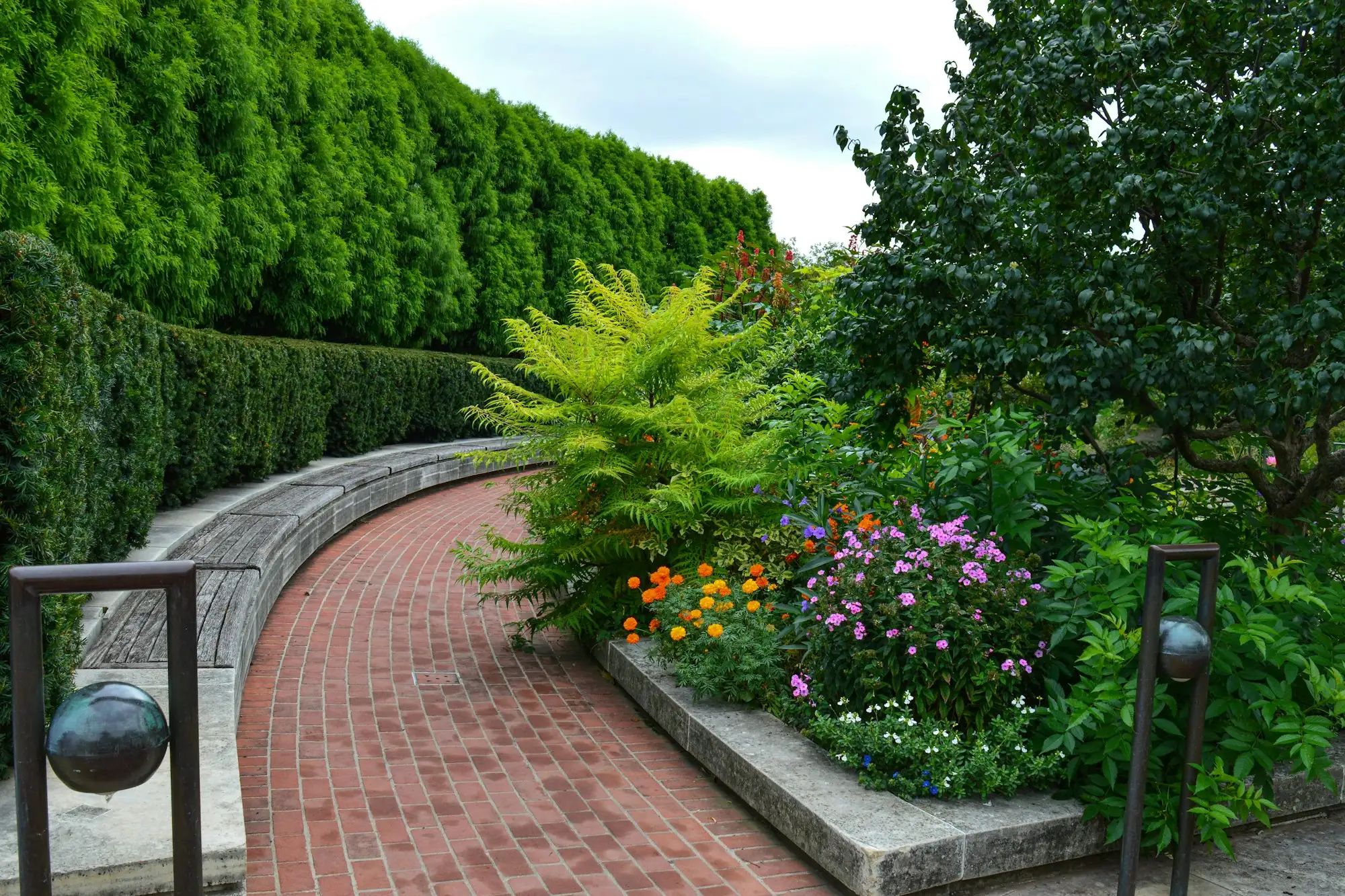
Very few people can imagine a finished garden from a plan. They need to see one, ideally one a bit like theirs: the same awkward slope, the same small courtyard, the same tired lawn. That is why landscaping, more than almost any trade, is won or lost on photos.
Your website should be built around them. Large images that load quickly on a phone, before and after pairs from the same angle, and a short note on what the client wanted and how you solved it. A garden that looks good in a thumbnail looks stunning full screen, and that is the difference between a browser and an enquiry.
Planning the year, not just the week
Garden work is seasonal, but the decisions are not made in the season. Many people start dreaming about a new garden in the dark months, and want it finished for summer. If your website only wakes up in April, you have missed them.
Plan your website around the year. Design consultations and bigger projects promoted through autumn and winter. Maintenance contracts and smaller jobs in spring. Each piece written so that people searching at that time of year find you, and the diary fills before the season starts rather than during it.
Budgets, gently
Landscaping prices can surprise people, and nobody enjoys spending an evening measuring up a garden for someone who was hoping for a full redesign on a patio budget. A good enquiry form asks for a rough budget range alongside the type of project and the size of the garden. Showing typical ranges for common projects, if you are comfortable doing so, helps even more.
The aim is not to put people off. It is to make sure the first visit is with someone whose plans and budget fit what you do, and to give everyone else a polite, useful answer.
Design-led or maintenance-led
Some landscapers want more full design and build projects; others want a solid book of maintenance clients. Most want a bit of both. Giving each its own page, with its own photos and its own way to get in touch, lets you steer the enquiries you get, rather than taking whatever arrives.