
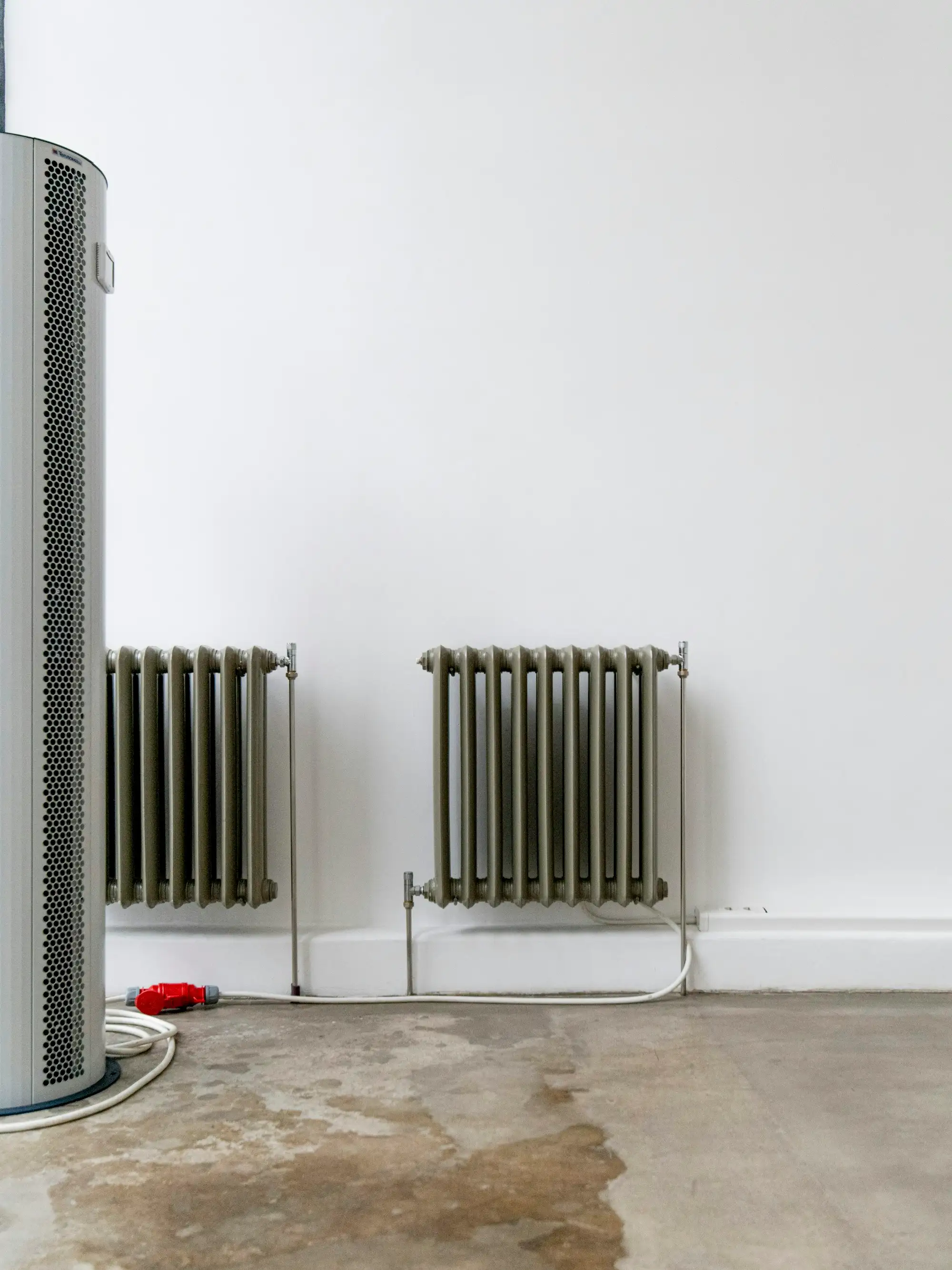
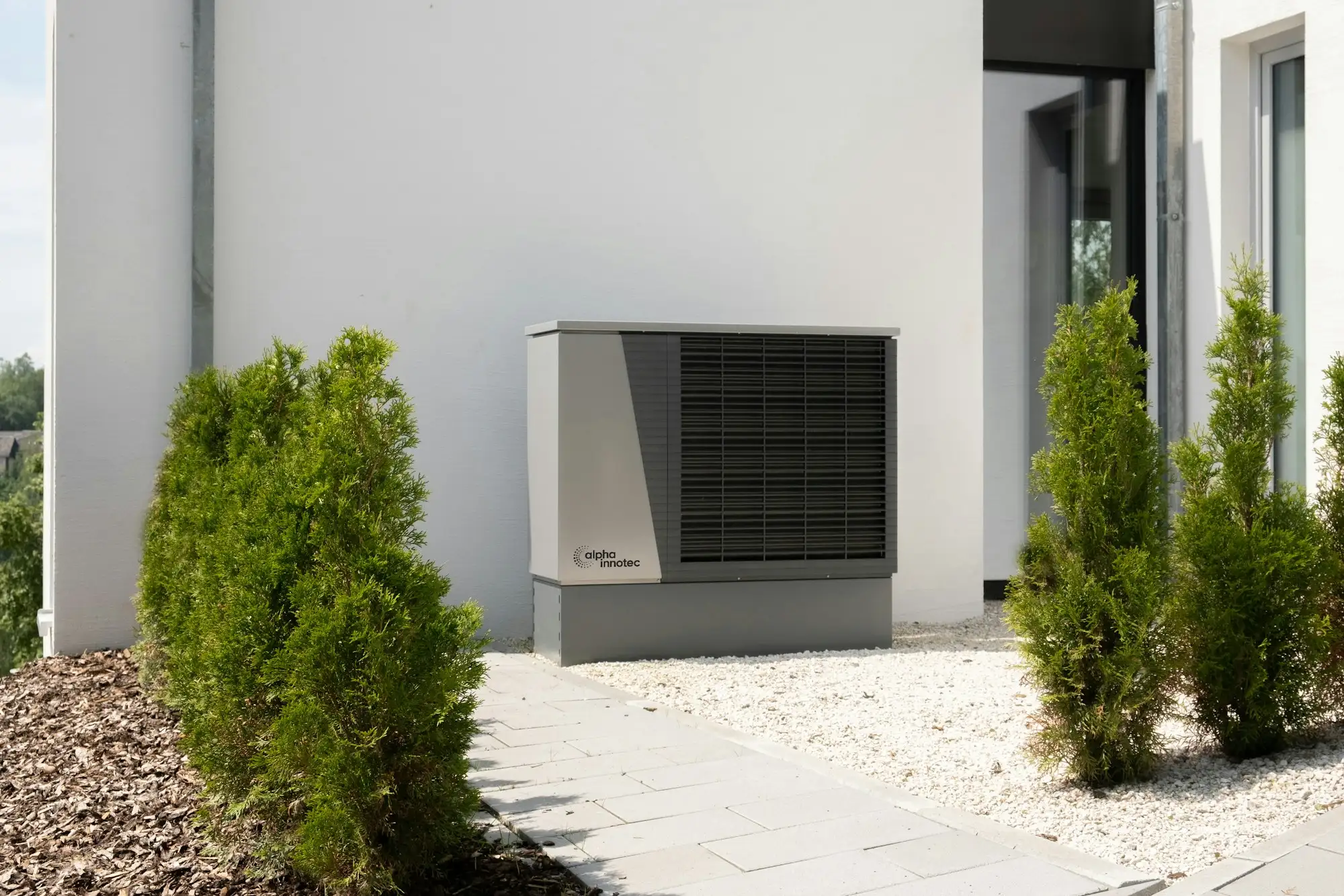

The most researched job in the house
Swapping a boiler for a heat pump, or adding air conditioning, is one of the bigger decisions a homeowner makes. They want to know what it will cost to run, whether their house is suitable, how noisy it is, how much mess an install makes and what grants are available. They will read for weeks before asking for a survey.
The heating engineer who answers those questions clearly and honestly is usually the one who gets the call. Not with a brochure, but with plain-English pages written from experience: what you look at on a survey, what a typical install involves day by day, how running costs compare, and what kind of homes it does and does not suit. Grant schemes change, so we keep that information simple and easy for you to update.
Proof for a big quote
A heat pump or commercial air conditioning job is a large sum. Customers need to see that you have done it before, many times, without problems. Short case studies of real installs, with photos and a word from the customer, give them that confidence. So do your accreditations shown clearly: Gas Safe, MCS for heat pumps, F-Gas for air conditioning, and your insurance.
Servicing is the work that comes back
Every system you fit needs looking after, and every customer you service is a customer who might need a replacement in a few years. The problem is that people forget who fitted their boiler. When the next service is due, they search again and ring whoever comes up.
A simple sign-up for service reminders, and an easy way to book, keeps those customers coming back to you. It is unglamorous, but over a few years it builds into a steady base of work that does not depend on winning new customers every month.
Domestic and commercial, side by side
If you also maintain systems for offices, shops or schools, those clients want different things: response times, maintenance schedules, compliance paperwork and someone they can call. A separate section for commercial work lets each kind of customer find what matters to them, without the other getting in the way.