
A long decision, made mostly without you
Nobody hires a builder for an extension on the same day they first search. The decision usually takes months: a first look at what is possible, conversations with an architect or designer, planning, then a shortlist of builders. Most of that time, the client is reading, comparing and imagining, often late in the evening, and you are not in the room.
Your website is what speaks for you during those months. Its job is to make you the builder they already feel they know by the time they are ready to get quotes. That means showing projects like theirs, explaining how you work and answering the questions that keep people up at night: how long, how much disruption, what happens if something goes wrong.
Projects, not portfolios
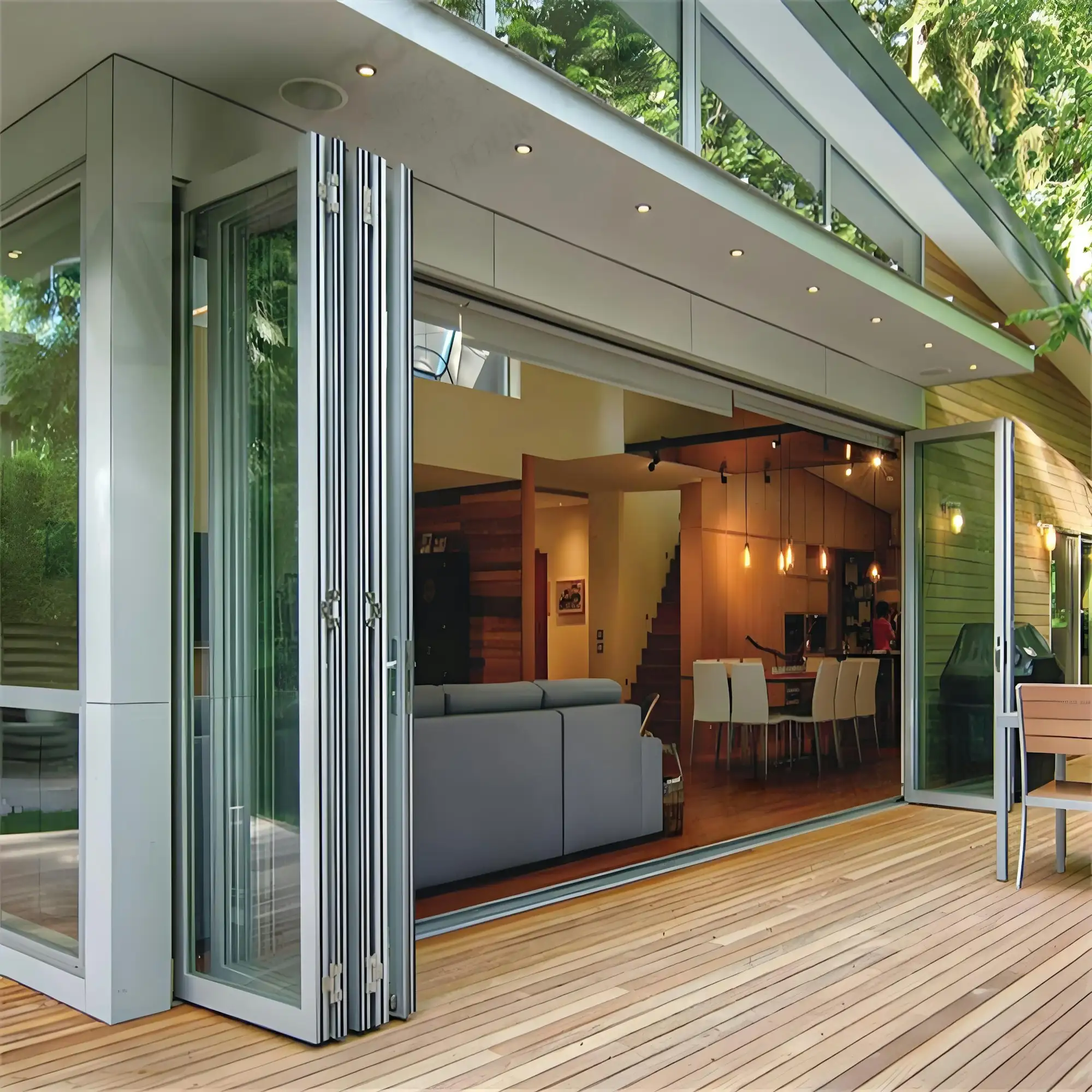
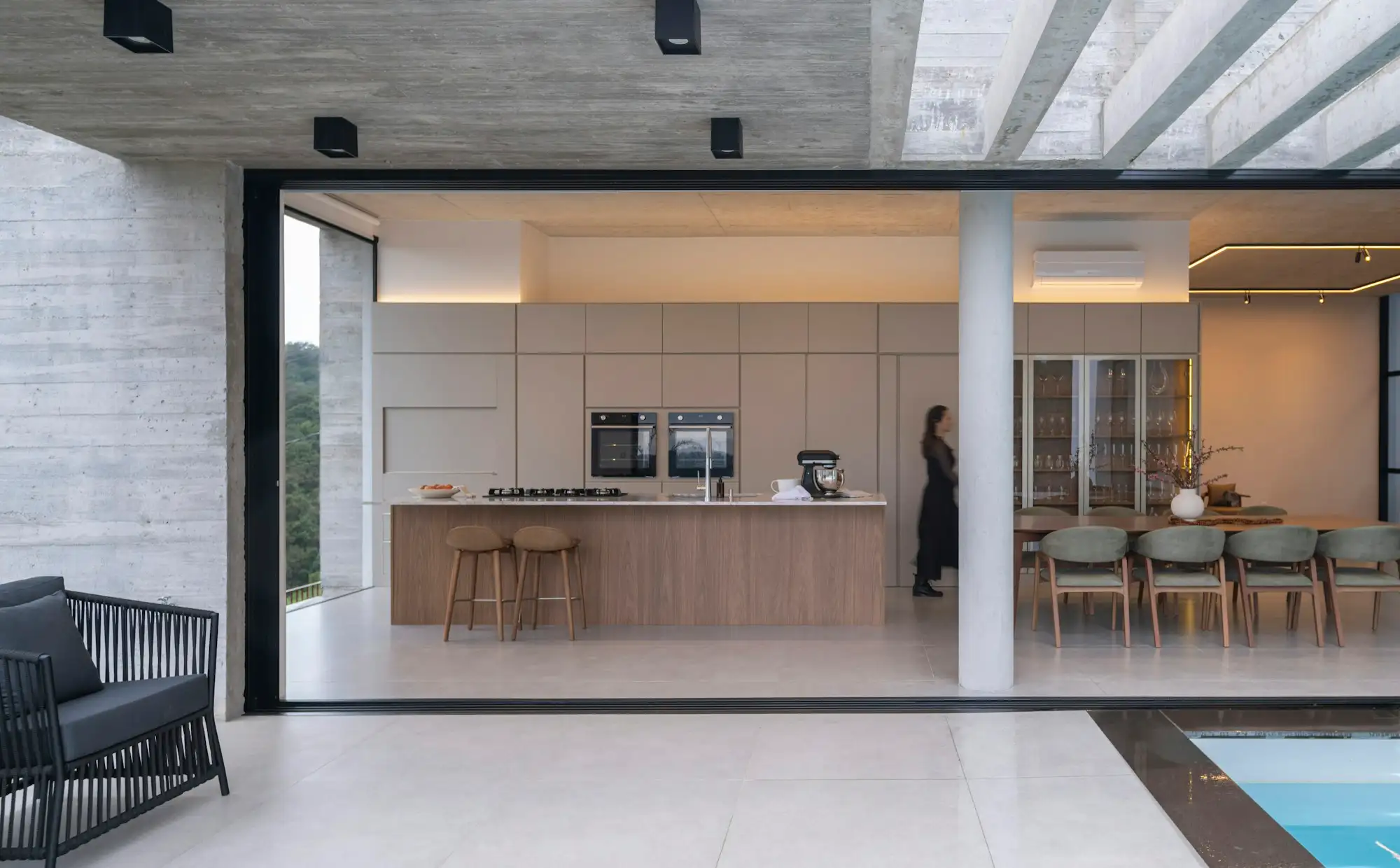
A grid of photos says you have built things. A project story says you can build theirs. For each good job, your website can have a short page: what the client wanted, what was tricky about the site, how long it took and what they said at the end. Photos of the finished work sit alongside a few from during the build, which reassure people far more than they might expect.
These pages also do the heavy lifting in search. Someone planning a kitchen extension on a Victorian terrace is far more likely to find, and trust, a page about exactly that than a homepage that lists twelve services. Over time, a growing set of real projects becomes the strongest thing on your website.
Talking about money early
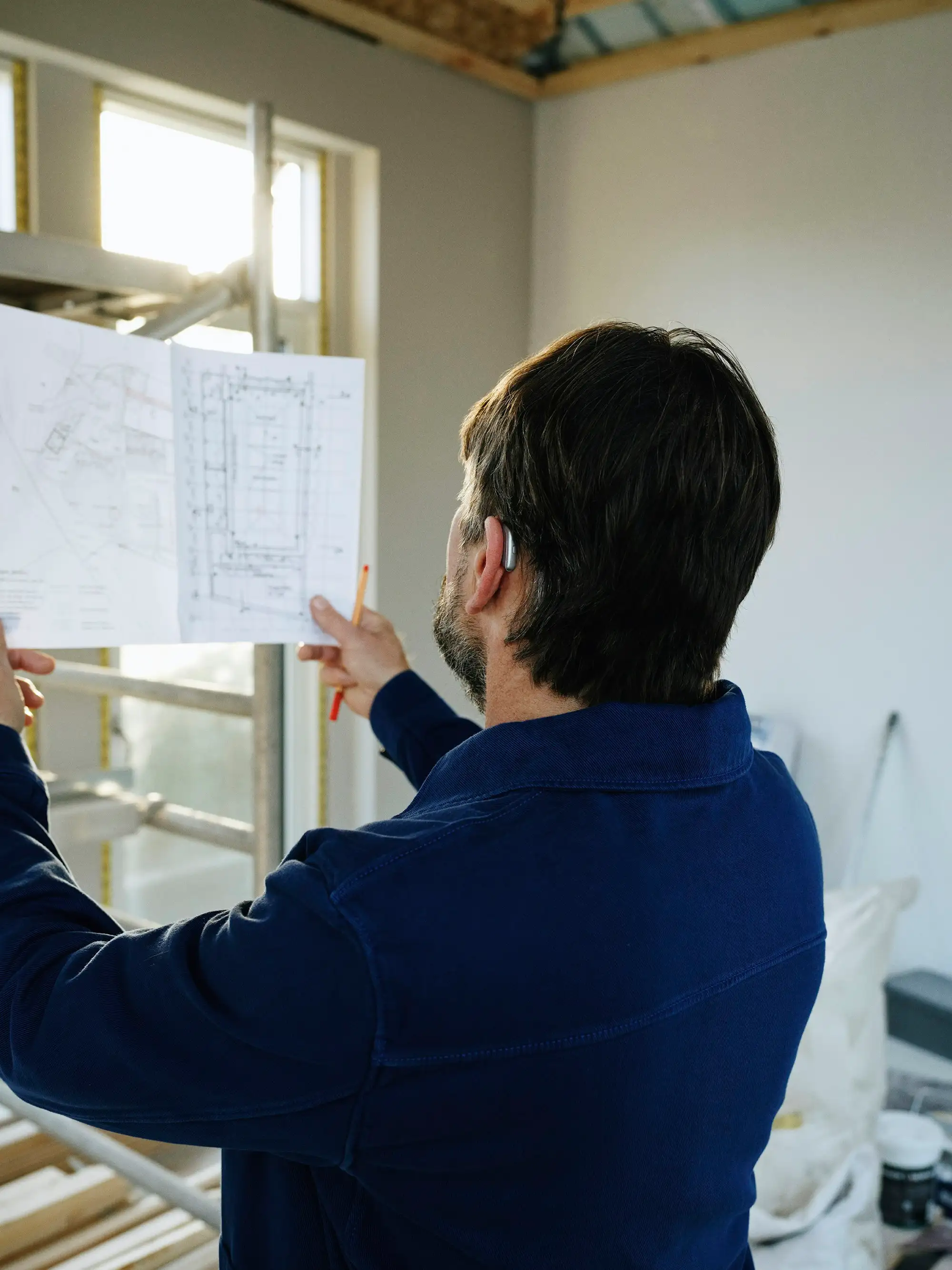
Builders lose a lot of time on enquiries that were never going to go ahead at a realistic price. A good enquiry form asks the questions you would ask on the phone: what kind of project, roughly what budget, when they hope to start and whether they have drawings or planning permission yet. Most clients are glad to be asked. It tells them you are serious, and it tells you who to visit first.
Some builders also publish typical price ranges for common projects. It is not right for everyone, but where it fits, it sets expectations before anyone picks up the phone and filters out people who are not ready.
Residential, commercial or both
If you also work for developers, schools or businesses, they look for different things: capacity, safety record, accreditations and how you manage subcontractors. Give that work its own section, so a homeowner is not wading through method statements and a commercial client can find the evidence they need quickly.